Series · 1999 · Documentary
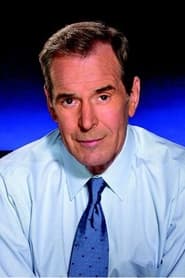
A 15-part series featuring Peter Jennings that documents the 20th century and the rise of the United States as a superpower. A broader and more chronologically arranged companion to Jennings' series The Century, which had just concluded its broadcast run on ABC.
1 season · 15 episodes
Episode 01
The Beginning: Seeds of Change
How did the 20th century change the ways Americans live? This program examines the early 1900s – when William McKinley was President, a loaf of bread cost only a few cents, horsepower really meant horsepower, flying to the moon was the stuff of dreams, and the average life span was only 45 years – while looking ahead to the decades of changes yet to come.
Episode 02
1914-1919: Shell Shock
The psychological damage inflicted by the stupefying bombardments of World War I was called shell shock, a term that aptly described the feeling of the post-war world. This program illustrates America's reluctant emergence as a world power and analyzes the impact of the wholesale sense of loss – of life, of husbands and fathers, and of sacred ideals such as honor, patriotism, and glory – that sprang from "the war to end all wars."
Episode 03
1920-1929: Boom to Bust
In the aftermath of World War I, many modern-minded Americans, particularly women, were eager to do away with outdated traditions and claim new rights and freedoms. This program investigates why the issue of women's rights, ranging from suffrage to smoking, became so controversial – and what that said about America's sense of self.
Episode 04
1929-1936: Stormy Weather
America – a nation that claimed ever-increasing wealth as a birthright – was rudely awakened by the Great Depression, which caused 25 percent unemployment, the closing of 9,000 banks, and the loss of $2.5 billion in deposits. This program captures a people's struggle as they faced the collapse of prosperity and diminished hope of being able to experience the American Dream.
Episode 05
1936-1941: Over the Edge
Safely watching Europe from across the Atlantic Ocean, many Americans observed the messianic popularity of Hitler and Mussolini and the subsequent outbreak of World War II with concern and dismay. This program explores the crucial question: could the United States resist involvement, or would American forces be sent to fight in another European war?
Episode 06
1941-1945: Civilians at War
World War II was the first war in history that killed more civilians than soldiers, as leaders on both sides accepted noncombatant casualties as inevitable – and, to some, even desirable. This program studies the courage and the strength necessary to face and survive starvation, bombing, torpedoing, massacre, and extermination in camps specifically designed for that purpose.
Episode 07
1941-1945: Homefront
The shock of Pearl Harbor awoke America from its dream of isolationism. As troops went overseas and industry ramped up to supply the urgent need for war materials, a new wave of Southern blacks migrated north and west to fill the workforce – along with millions of women, who exchanged housework for war work. This program discusses the effects of World War II on the home front, spotlighting the war's impact as a catalyst for economic, demographic, and social change.
Episode 08
1946-1952: Best Years
Demobilization after World War II meant difficult changes as the U.S., geared up for war, resumed a peacetime existence. This program describes America's new status as a superpower, as the nation shouldered the responsibility for rebuilding Europe and Japan – and for containing Soviet ambitions. The challenge faced by veterans and spouses to become reacquainted after years of separation and hardship is highlighted.
Episode 09
1953-1960: Happy Days
The post-war baby boom, suburban living, Marilyn Monroe, and Elvis epitomizes the contentment of the Eisenhower years. But these were also years marked by rabid McCarthyism, violent civil rights demonstrations, and a frightening escalation in the Cold War. This program probes the tension between these crosscurrents in American history.
Episode 10
1960-1964: Poisoned Dreams
Beset by both international and domestic pressures, America during the Camelot years was swiftly approaching a political-cultural meltdown. This program documents U.S.-Soviet conflicts of interest in Cuba and Vietnam and the growing polarization at home between civil rights activists and segregationist hard-liners which resulted in the Birmingham riots and the freedom march on Washington.
Episode 11
1965-1970: Unpinned
Riots and protests intensified in the U.S. as the war in Vietnam dragged on, with anti-war and civil rights activists seeking violent ways to agitate for peace and equality. This program presents the unrelenting rage that divided the nation during those perilous years, as the Watts race riots, the assassination of Martin Luther King Jr. and Robert F. Kennedy, and the Kent State killings made headline news.
Episode 12
1971-1975: Approaching the Apocalypse
The trauma of the war in Vietnam and the Watergate scandal left Americans exhausted, embittered, and disillusioned with politics and politicians. This program appraises the effects of those blights on the political landscape and their impact on the trust between the government and the governed, so vital to the well-being of a representative democracy such as the United States.
Episode 13
1976-1980: Starting Over
The women's and civil rights movements, begun decades earlier and as controversial as ever, continue to evolve during the nation's Bicentennial period. This program focuses on the changing momentum of feminism, hampered by its failure to secure broad ratification of the Equal Rights Amendment, and the heated confrontations that arose over affirmative action and busing.
Episode 14
1981-1989: A New World
The Reagan era witnessed the unexpected end of the Cold War and a welcome return to a booming domestic economy – but did events unfold too quickly to control? This program takes a look at the details and the aftershocks both of the dissolution of the Soviet Union and the yuppie capitalism that threatened to push the limits of the American economy too far.
Episode 15
The '90s and Beyond: Then and Now
Fifty years into the future, how will computer and communications technology reshape the way Americans work and play? What will be the benefits and consequences of biotechnology? Will the third-world nations dominate headline news? This program examines key moments of the '90s, reflects on changes during the last five decades, and, with the assistance of leading futurists, looks ahead to some of the possible events and innovations just over the horizon.
based on 2 votes
A 15-part series featuring Peter Jennings that documents the 20th century and the rise of the United States as a superpower. A broader and more chronologically arranged companion to Jennings' series The Century, which had just concluded its broadcast run on ABC.
1 principal cast
The Century: America's Time is available to stream on Flicksy via 6 verified sources, aggregated from publicly available embed providers. The documentary has 1 season and 15 total episodes, rated 7.5/10 by 2 viewers.
The Century: America's Time has 1 season with 15 episodes in total.
The Century: America's Time has ended and is no longer in production.
The Century: America's Time airs on History.
The Century: America's Time first aired on April 12, 1999.
Similar series
Turning Point: 9/11 and the War on Terror
2021
CIA : Guerres secrètes
2003
JFK
2013
The American West
2016
Lewis & Clark - The Journey of the Corps of Discovery
1997
The Civil War
1990
Miss Me Yet
2023
America: Facts vs. Fiction
2013
Civil War Journal
1993
The American Future: A History
2008
Benjamin Franklin
2022
America's Untold Story
2017
The American Revolution
2025
Ku Klux Klan: An American Story
2020
The U.S. and the Holocaust
2022
Great Minds Think for Themselves
1997
Hungry For Answers
2022
L'Histoire de New-York
2007
The Ultimate Guide to the Presidents
2013
New York
1999